Quick answer
To decorate a tiny home, check every use of a multipurpose piece before filling the surrounding space. Record its closed size, its working or unfolded size and the room needed to reach its storage. Give cushions, chairs and bedding a place during each change. Test these states one at a time, then try the full daily sequence.
1. List each piece and its different states
Start with the furniture you own or are considering. A folding table needs room for its top and chairs, while a storage seat needs access to its lid or drawer. Get the relevant dimensions from the product information and check them against the actual piece when available. Add each footprint to a measured sketch with doors, windows and fixed fittings.
2. Check the surrounding furniture in the model
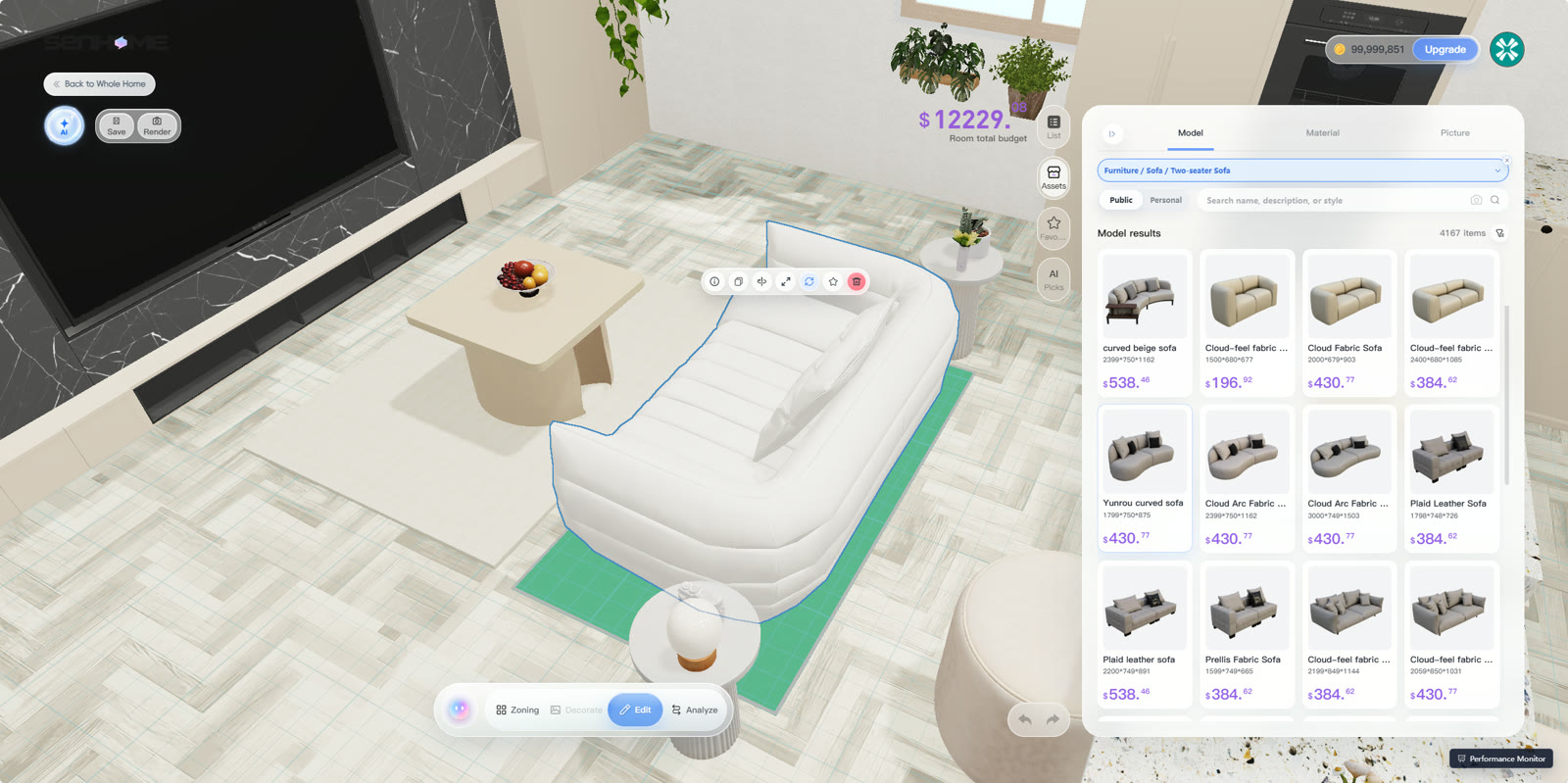
Open your room in SenHOME Web and review the furniture around the piece you want to use. Keep the entry and window positions as references. Compare a shallower cabinet or a different table position while keeping the rest consistent. Use the sketch with the open footprint alongside the model to identify where you need to measure.
3. Give moved items a reachable home
Write down what you must move before opening the table, bed or storage. Decide where each item goes and how you retrieve it afterwards. Check whether the cushion box blocks the drawer you need, or whether stored chairs occupy the route to the door. Mark the proposed positions on the floor and try them with the items in your hands.
4. Run through a complete change of use
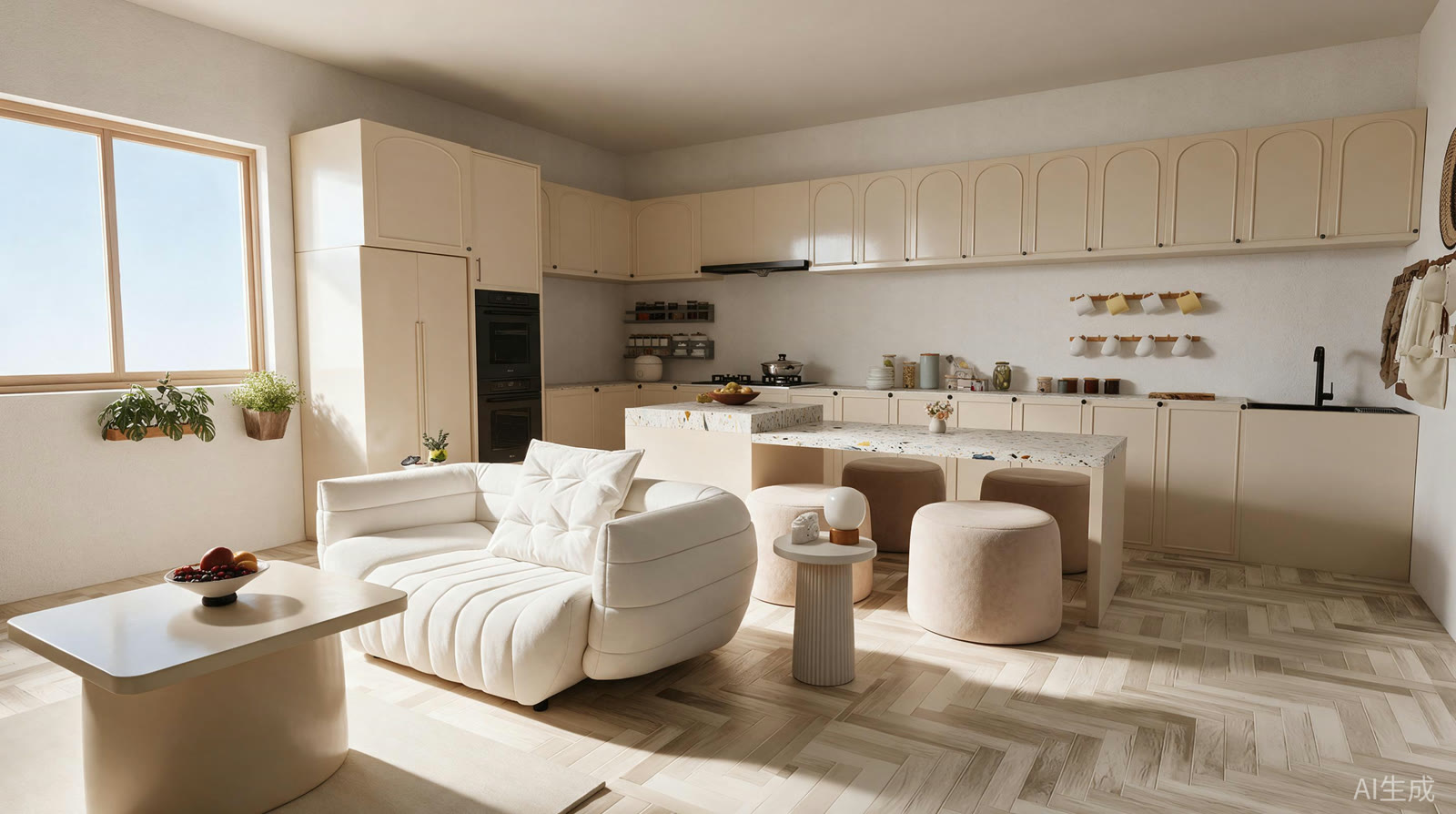
Try preparing food, sitting down, opening storage and setting up for sleep in the order you use them. Include another occupant if you share the home. Note each item you have to move twice and adjust its storage position. Repeat until the sequence works for your routines. Use the guide to rearranging existing furniture to compare options for pieces you already own.