Quick answer
An entrance hallway works better when every action has a place. Decide where to set down what you carry, where to store everyday items and how to leave again. Before adding furniture, measure the door’s movement and the size of your belongings. Test arriving with your hands full, then check that you can retrieve everything when leaving.
1. Record the entrance and your arrival sequence
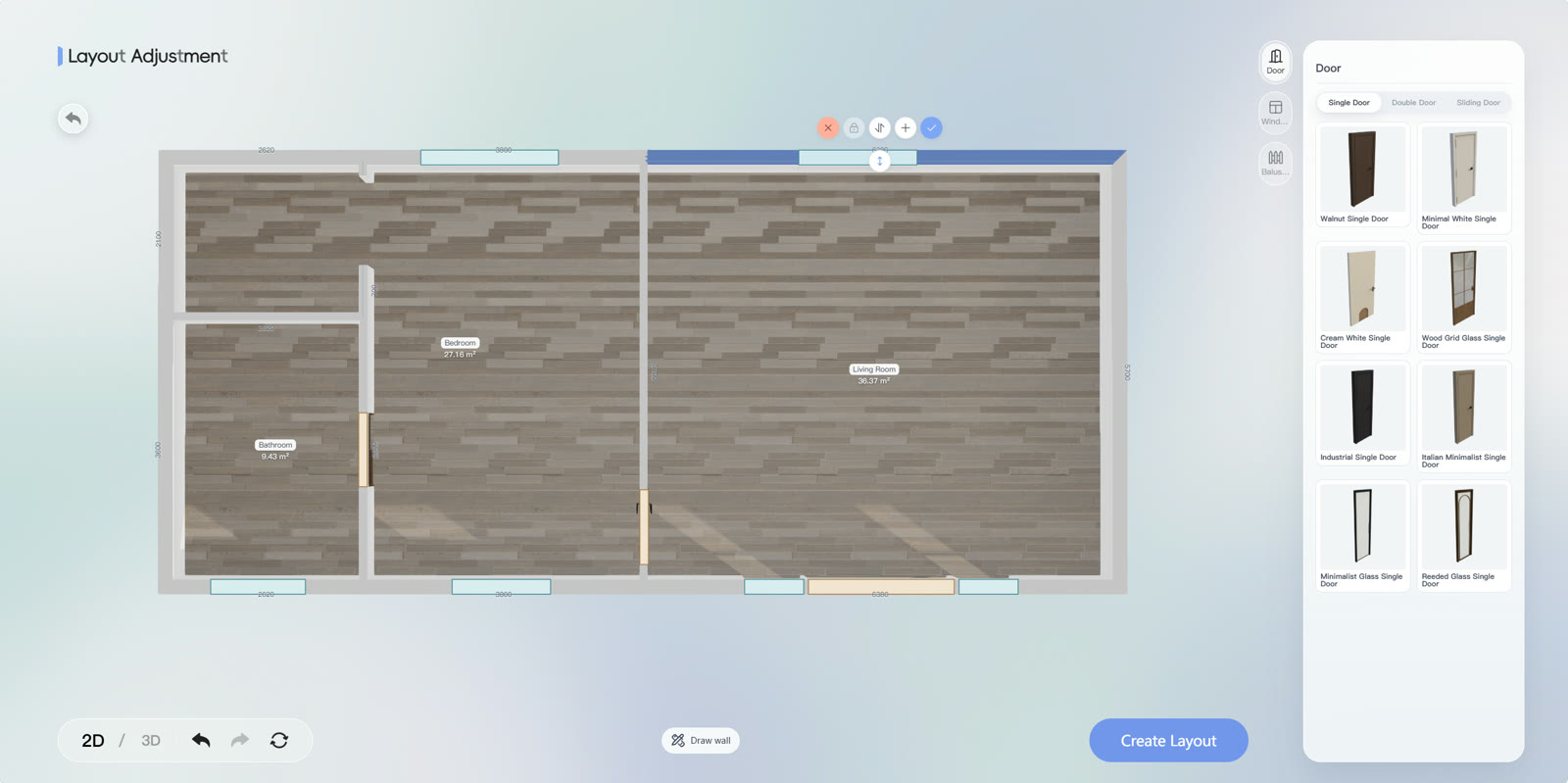
Draw the walls, nearby doors and existing fittings. Measure the door leaf and observe which way it opens at home. Mark that movement on your sketch alongside switches and handles. Note what you do when arriving with shopping, a coat or a backpack. In SenHOME Web, review the model’s openings and furniture using your measurements as references.
2. Decide what needs to be within reach
Start by putting the things you usually set down on a table. Group keys, wallet and small items in a trial tray. Decide which bag or coat needs to stay accessible and what can go in a cupboard. Choose a surface based on the size of that group. Test the height with your hands and keep access to the switch you use on arrival.
3. Compare storage with its doors open
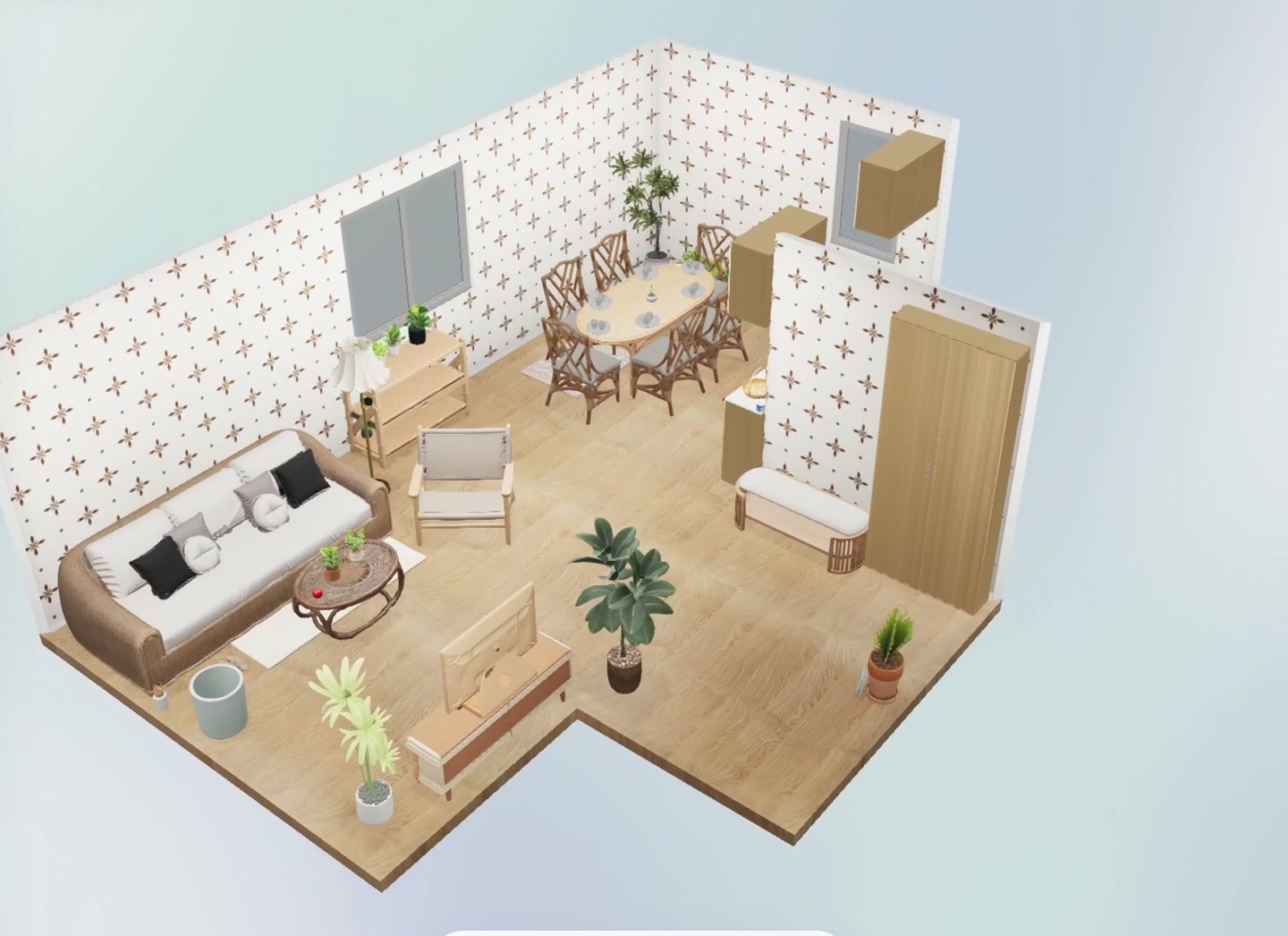
Measure the full furniture depth, including handles and protruding objects. Check the space needed to take out shoes or open a drawer too. In the model, examine the furniture’s relationship with the nearby door and look from another angle. The living room image is a general reference for reading those volumes. Mark your proposal on the floor and open the real doors.
4. Rehearse coming in and going out again
Carry your usual bag, open the door and put things down in your normal order. Repeat while another person passes if you share the entrance. Then collect keys, coat and shoes to leave. Note any object that makes you move another and adjust its place. The guide to rearranging existing furniture helps compare pieces you already own before buying. Record where each item goes so you can repeat the test.