Quick answer
The importance of lighting in interior design becomes clear when you test what you do in each place. Read in your usual seat, find an item in storage and prepare for resting. Switch your existing lights on separately and in combinations. Note what you can see comfortably, where shadows appear and which reflections bother you.
1. Locate the activities before choosing changes
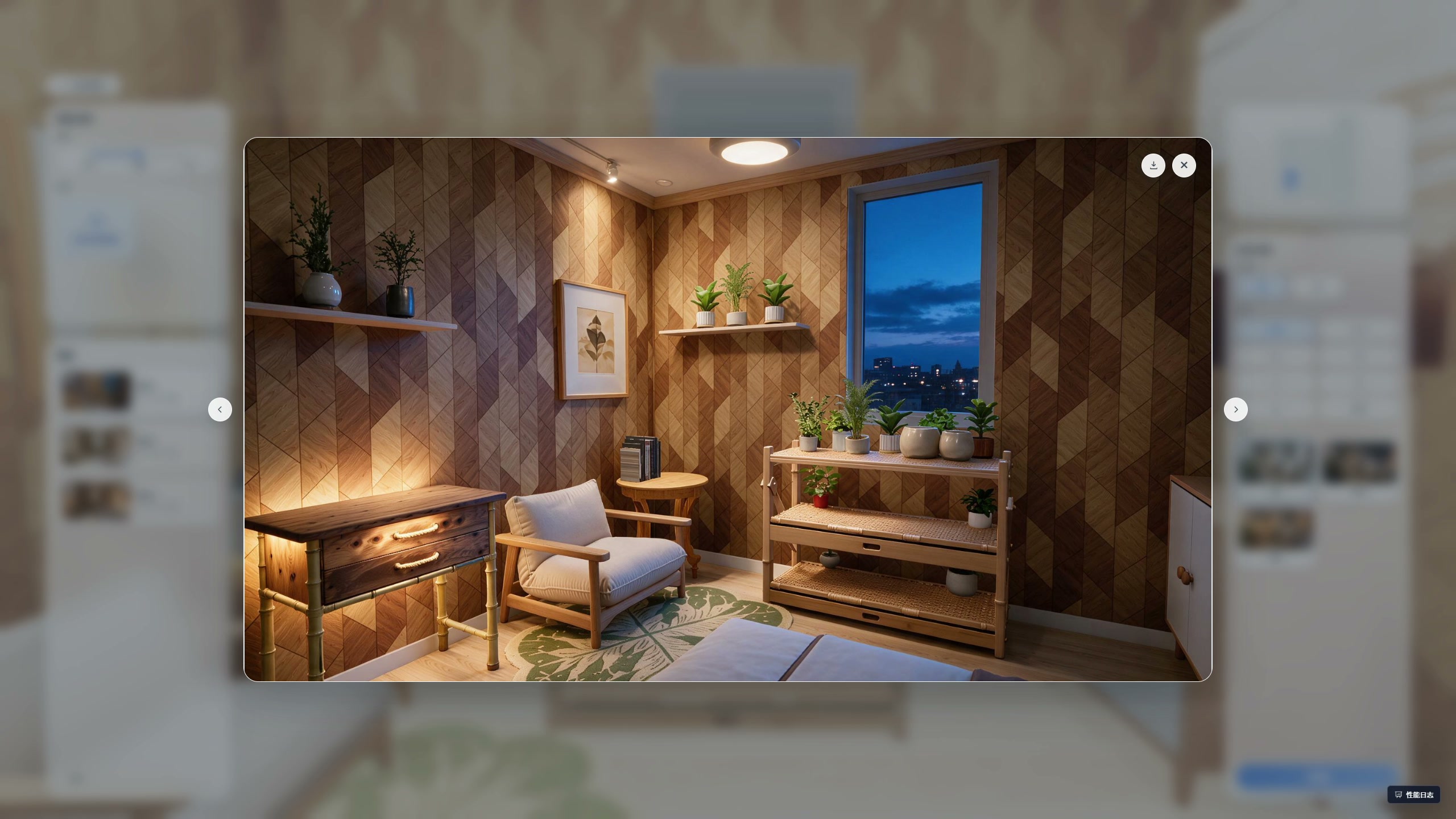
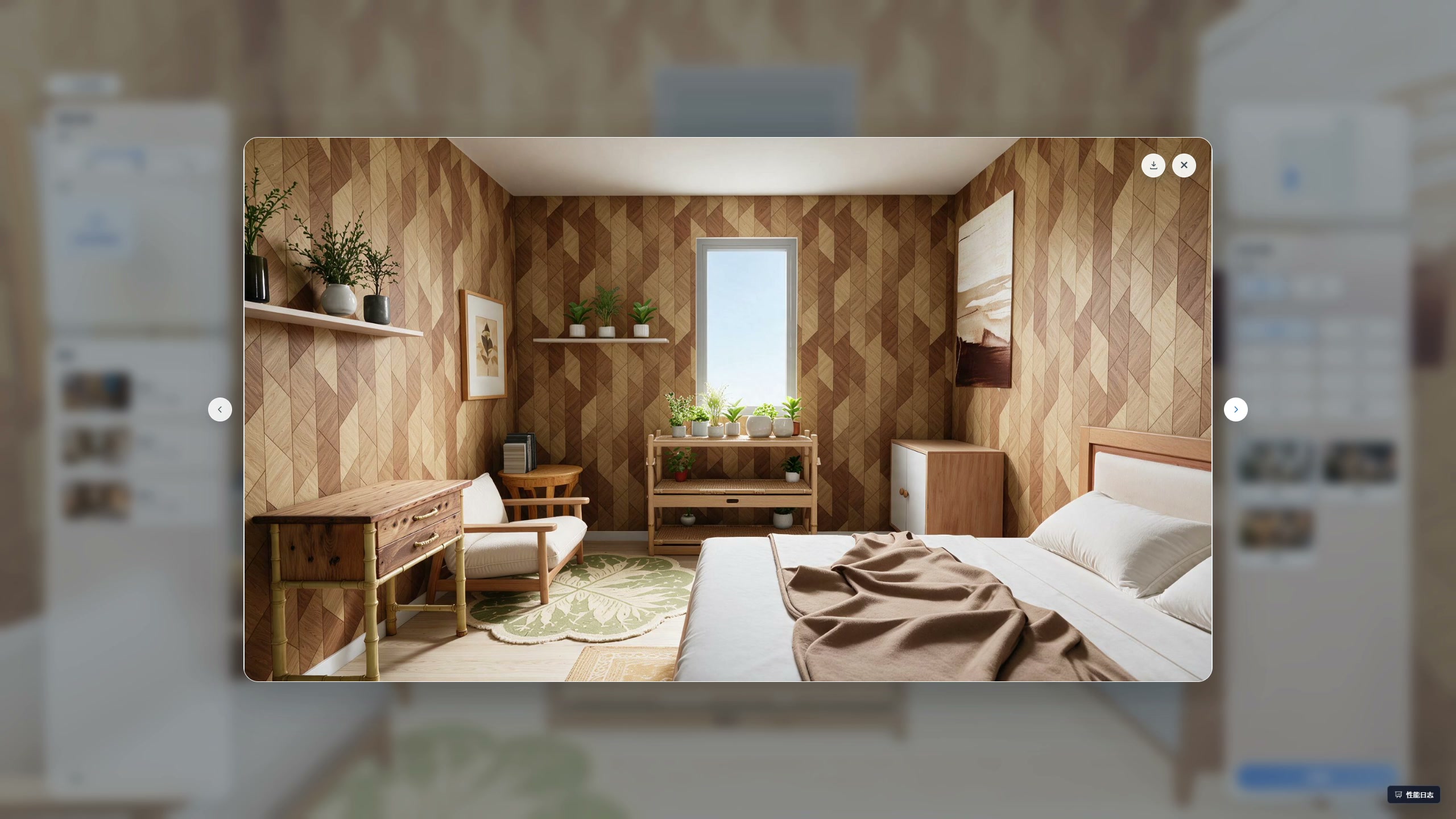
List the places where you read, store things and rest. Include the entrance and the route to the switch. In SenHOME Web, you can review the model’s furniture to organize these relationships. The images in this article are digital product references; they are not brightness tests carried out in a home.
2. Read with the book you normally use
Sit with your book or notebook in your usual position. Try the general light, then the nearby lamp, then both together. Notice whether your hand or head casts a shadow on the page and whether reflections make you change posture. If the lamp can be directed according to its instructions, try another direction and read the same passage again.
3. Look for something inside storage
Choose an item you put away frequently. Open the drawer or door as you normally would and find it without first rearranging all the contents. Check whether your body or the open door leaves the interior in shadow. Repeat with another combination of existing lights and record where the item is easier to recognize.
4. Try the resting situation
Sit in your resting seat and turn on the combination you would use at night. Look toward the usual areas, including an unlit screen if it is in front of you. Note directly visible light sources and distracting reflections. Also check how you return to the switch. Keep an option that lets you follow that route without rearranging the furniture.
5. Record the result of each test
Make a table with the activity, lights switched on, shadow or reflection observed and change to check. Repeat the tasks at the times you actually do them. If you need to add a lamp, confirm its information with the supplier; consult the appropriate professional before changing a fixed installation. Do not infer lighting levels from a digital screenshot.
The bedroom case with different lighting views shows how surfaces change visually in renders. Use those views to prepare questions, then resolve them through tests in your room.