Quick answer
When decorating a studio with a balcony, first list what moves between the room and balcony. Keeping the actual doors and windows in place, connect where you collect things, temporarily set them down and return them after use. Test the seated activity and the return indoors separately. Check the round-trip movements with your usual belongings and seating in use.
1. Record existing doors, windows and the indoor–outdoor boundary
Mark the actual door and windows leading to your balcony on a sketch of the studio. Fully open and close the door and note parts to measure separately around handles, the threshold and furniture. Use the current conditions without changing the existing boundary or the use of doors and windows. Mark the starting point where you gather things indoors too. The aim is to record one activity from indoor storage, through the doorway, to where you usually sit.
2. Group what you carry out for one visit
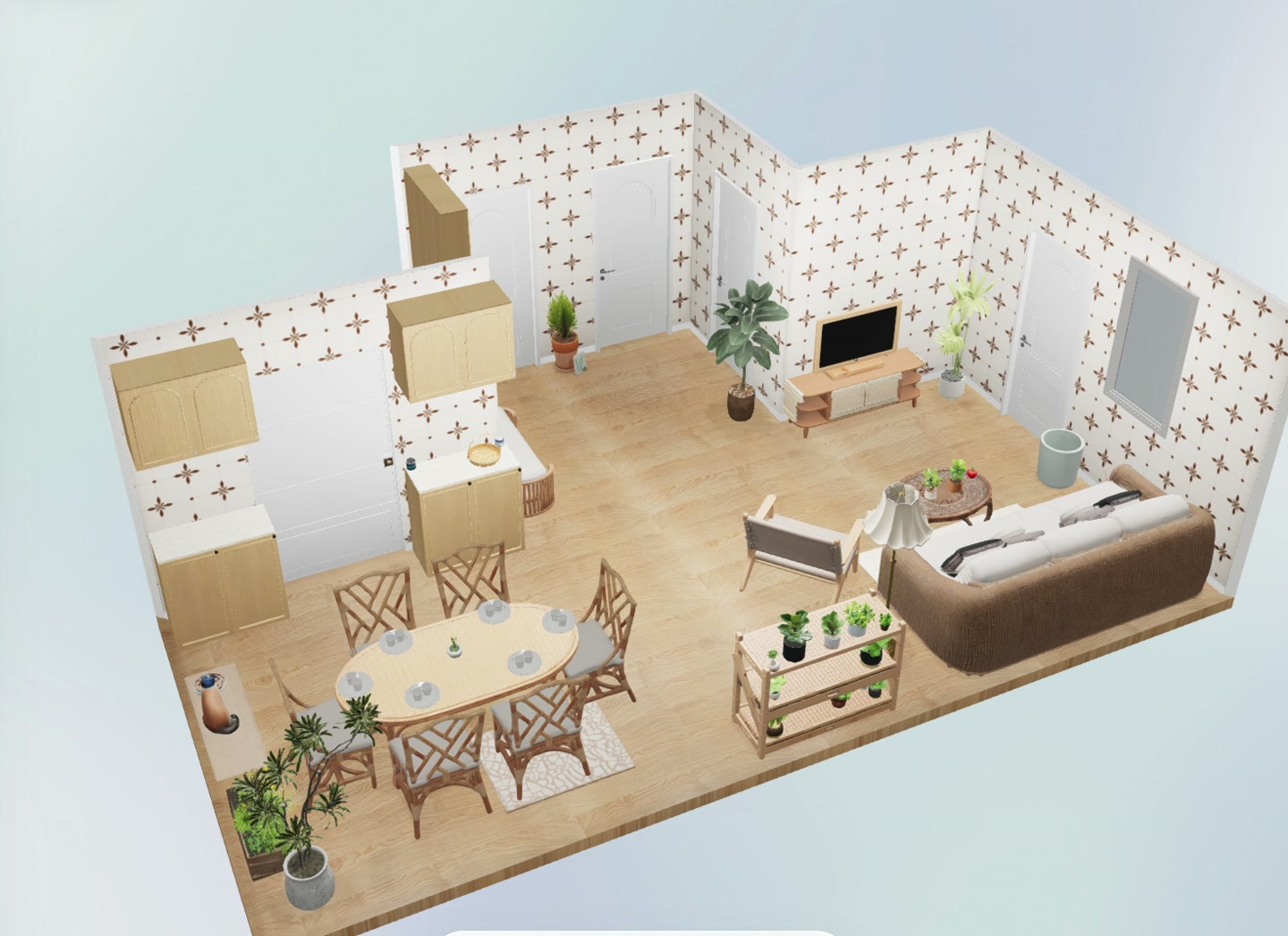
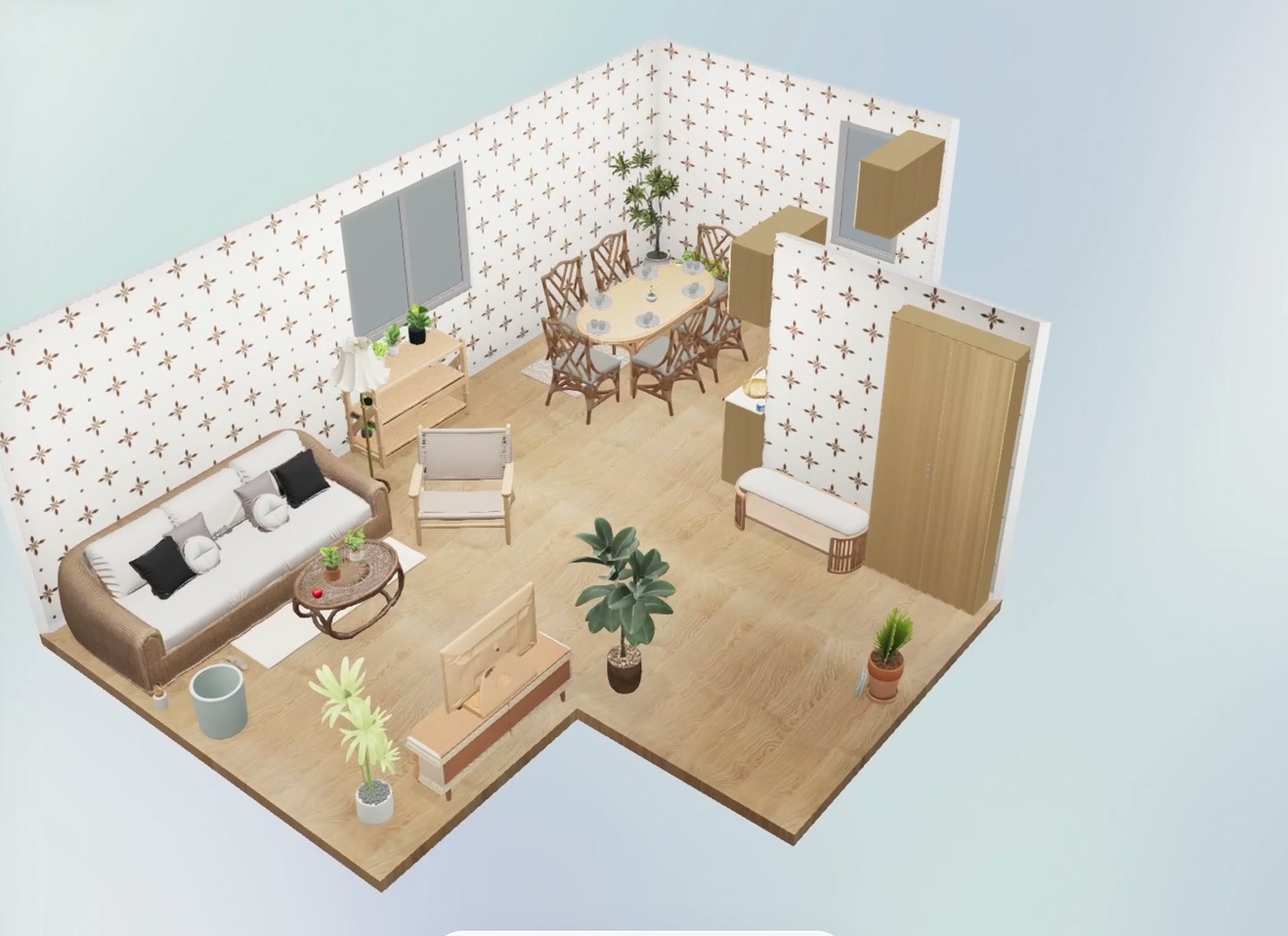
Gather the things you actually use, such as a usual book, small tray or cushion. Note where each comes from indoors and where it returns afterwards. If some need several trips, mark the carrying order too. A general room view in SenHOME Web can help compare seating, storage and furniture near doors. The product images here are ordinary living-room examples, not a recorded case of actual balcony or studio living.
3. Choose places for belongings while seated
Do your usual activity in the chair or seat you already use. Distinguish where you open a book from where it rests when unused, and check with all the carried items set down. Record any space that needs to be clear when sitting or standing. Look at what remains around the seat when you return indoors for something. Use the same items when comparing positions, and avoid treating empty space on screen as a verified usable size.
4. Test going out and returning with things in hand
First check carrying movements with an empty container of a similar size rather than something fragile. Take it from the prepared place, go through the door to the seat and return it to its indoor storage position. Note where you briefly set things down to operate the door when your hands are occupied. Check whether leaving things in the same place changes how you fetch another item or rise from the seat. Try a different position or carrying order at awkward points.
5. Record the indoor return place after use
Mark on the list where the book or tray returns afterwards. Separate what goes straight back from what is stored after sorting, and check temporarily placed things at the end too. Once items are back, look for anything left around the door and seat. The entrance hallway and everyday belongings guide can help assign fixed places. Keep this list specifically for one balcony round trip and check it again next time.