Quick answer
To decorate a living room cabinet, first reserve places for the objects you use every day. Then add ornaments in groups and compare their height from the sofa and entrance. Leave a surface for putting things down and picking them up. Try taking the remote, consulting a book and cleaning the cabinet before considering the arrangement finished.
1. Measure the surface and decide what must stay
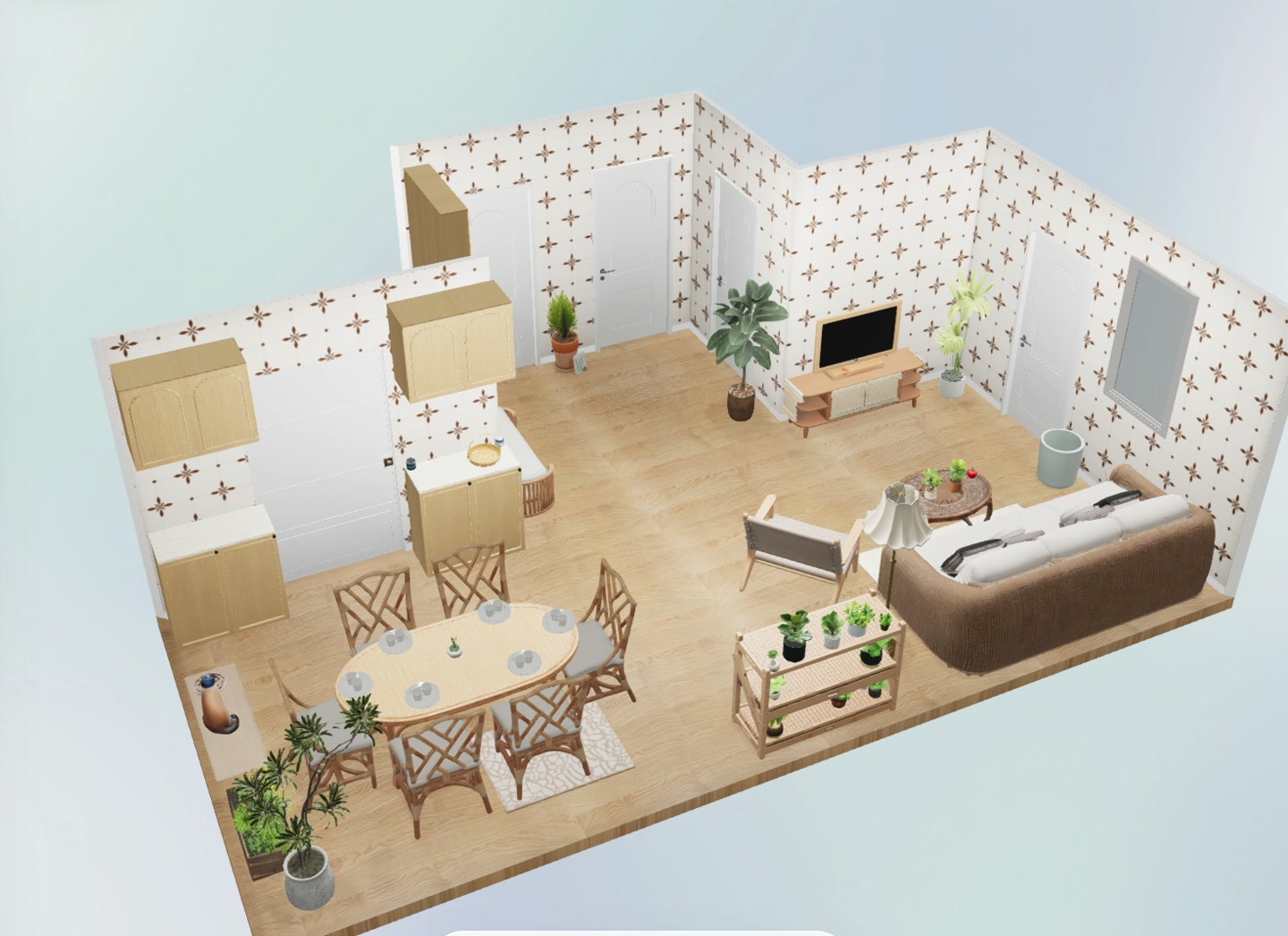
Temporarily clear the top and measure its usable width and depth. Note what must remain accessible: remotes, books or a lamp you already use. Separate these objects from ornaments you can move elsewhere. Observe the whole cabinet and its surroundings in SenHOME Web. The images show furniture in a reference living room, helping you read surfaces and heights together.
2. Place everyday objects before ornaments
Put the remote where you can reach it when seated and leave a space for an open book. If you group objects on a tray, try taking out and returning each without lifting the whole group. Check that nothing prevents a nearby drawer or door from opening. Then choose which ornaments fit on the surface that remains available. Keep a gap for times when you arrive carrying something.
3. Review heights and overlaps from your seats
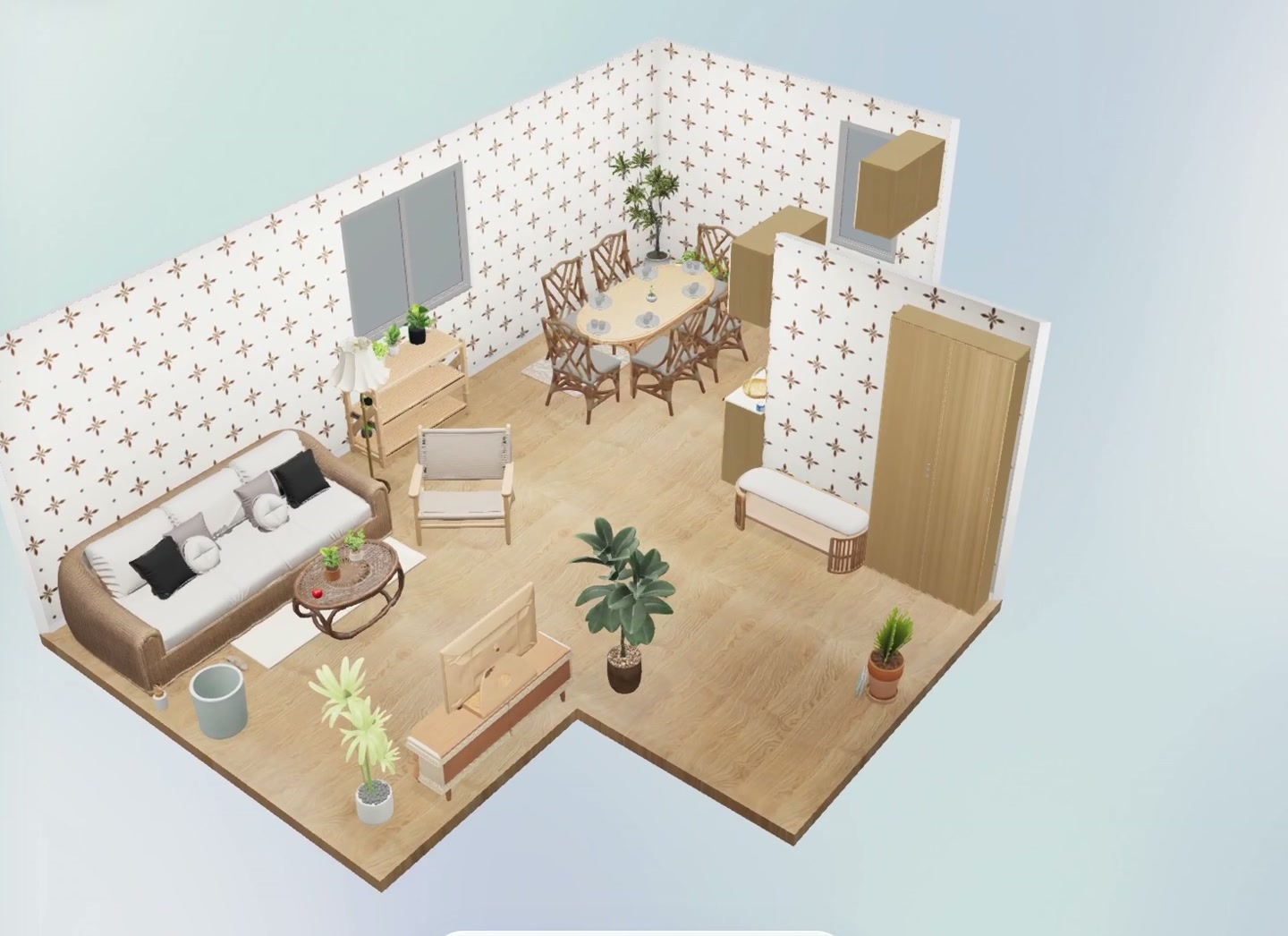
Place one piece first, then add the next to see what it hides. Check the screen, lamp switch and objects you regularly look for. Look from the sofa, another seat and the entrance. An arrangement that works when standing may hide something when you sit. In the other model view, you can observe a shelving unit with plants and a lamp. Use it as a visual reference for comparing your own arrangement.
4. Test use and cleaning
Repeat a normal situation: sit down, take the remote, put away the book and leave an object in the reserved gap. Dust as you normally would and count how many things you need to move. Reposition pieces that complicate the routine and look at the whole again. The guide to defining a living room’s focal point helps relate the cabinet to the rest of the seating.