Quick answer
To furnish a small apartment, start by tracing the routes you use each day, from the entry to the bed, kitchen and bathroom. Then place the bed, storage and the surface where you work or eat. Compare two layouts with the doors, drawers and seats in the positions they occupy when in use. That will show you which spots to measure in the apartment.
1. Mark the routes before placing furniture
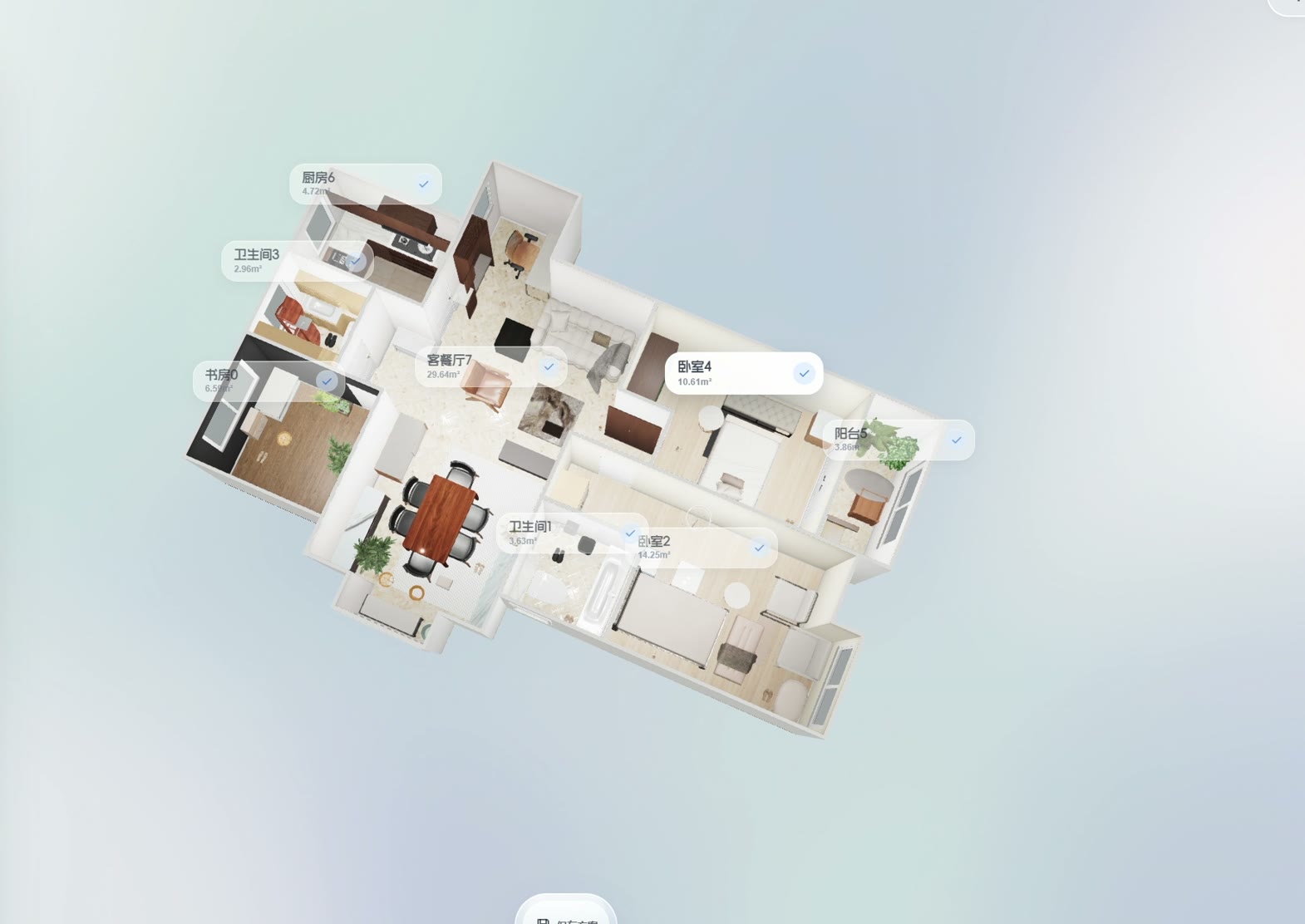
Measure the walls, the positions of doors and windows, and how much room fixed features take up. On your plan, draw the route from the entrance to the rooms you use most. Include the things you do along the way, such as setting down a bag when you get home or walking around a pulled-out chair to reach the next room.
2. Make room for what you do every day
List the activities that happen at the same time and those that can happen one after another. One table can serve for meals and work at different times. Plan where to put your work materials when you switch uses. Check where a second person can pass when the chair is pulled out. Otherwise, asking one surface to serve both purposes can shift the problem to the walkway.
In a studio, place the bed and the pieces you cannot easily move first. In a small apartment with several rooms, check the threshold between them as well. A piece of furniture may fit in a corner and still block the path when its door opens.
3. Store things where you use them
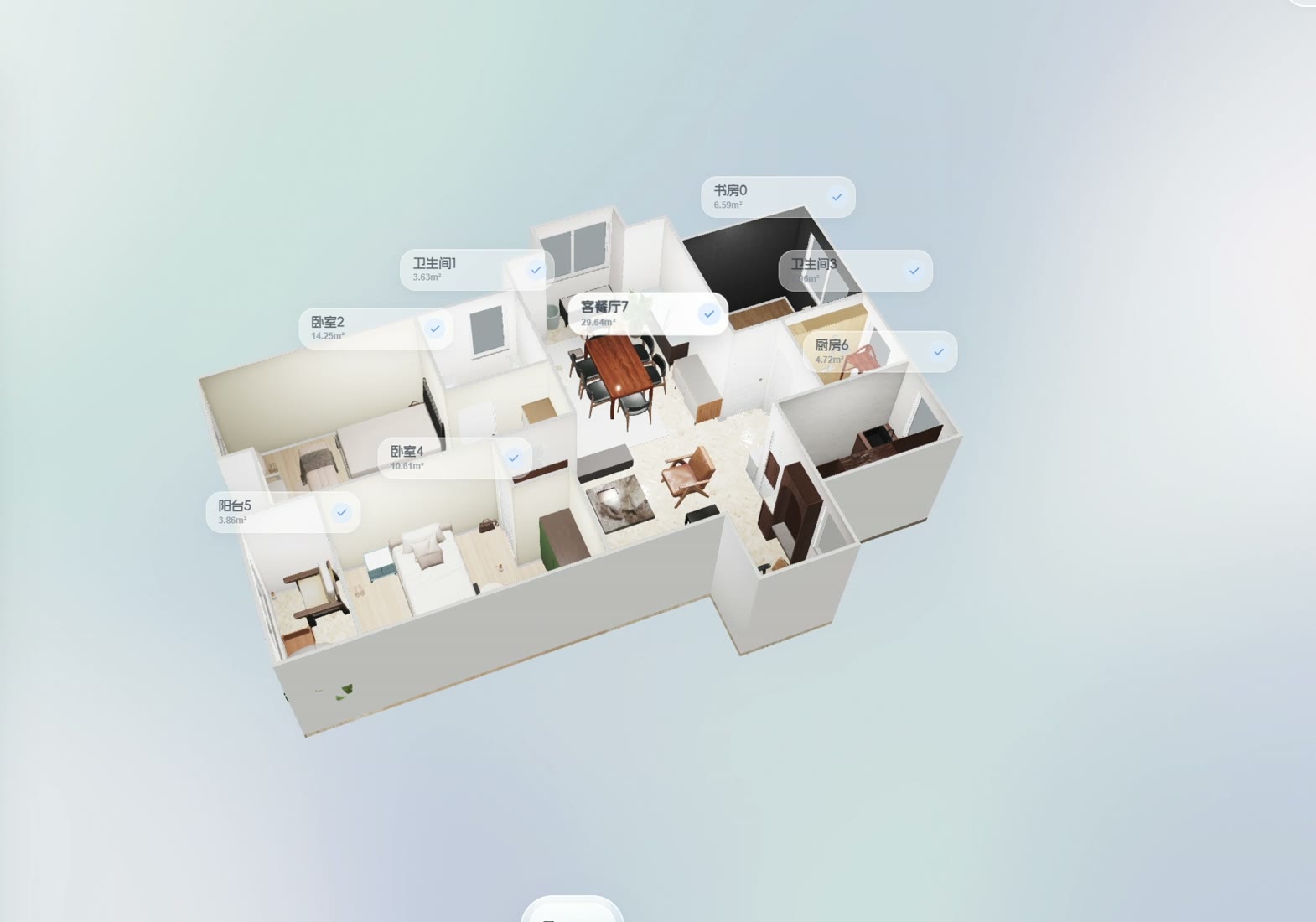
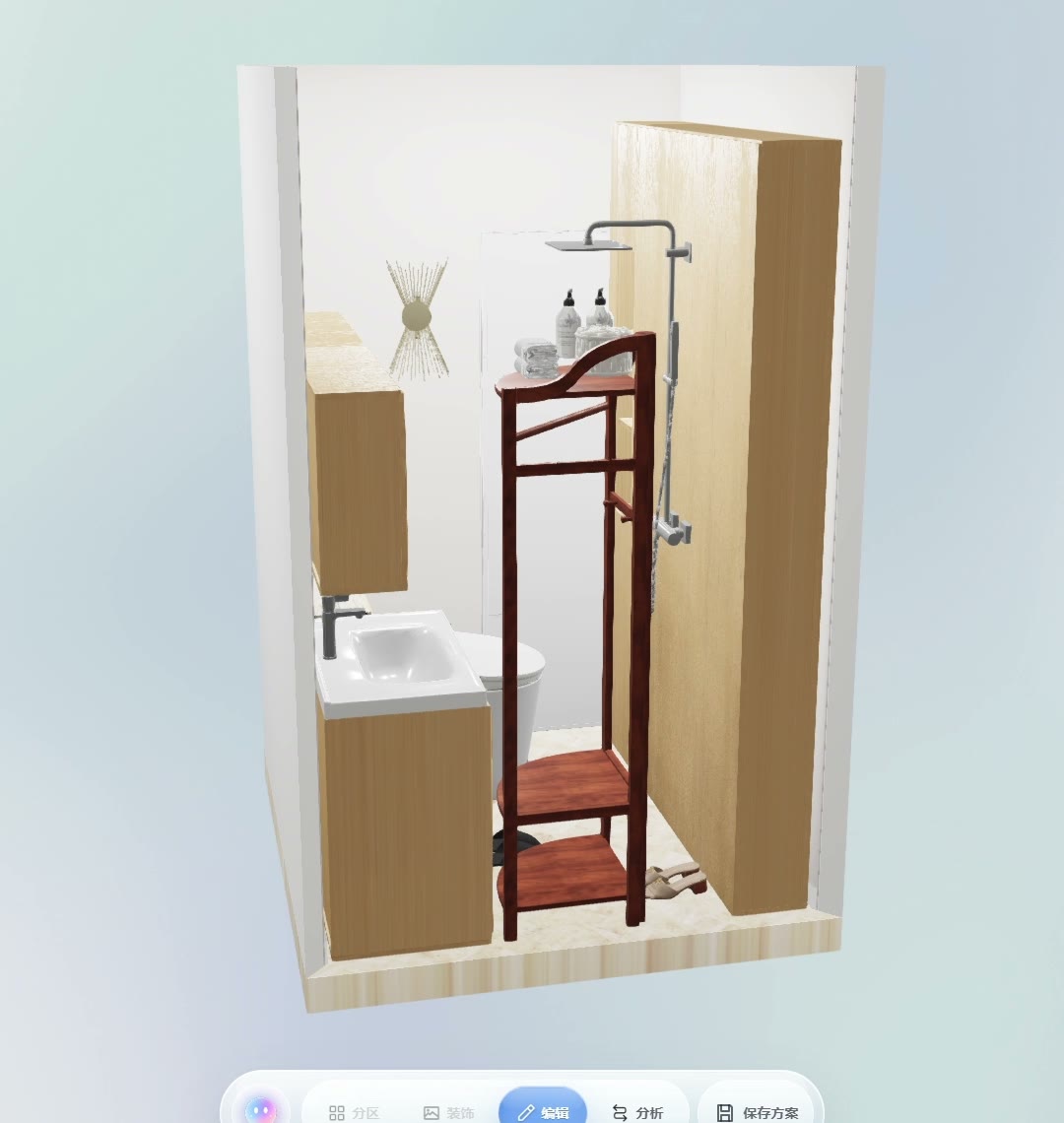
Decide what you want to store before choosing the shape of the furniture. Keep everyday items easy to reach near where you use them. Things you use less often can go higher up or farther back in a suitable cupboard. Measure how far handles project and the room doors and drawers need to open. A slim cabinet can fit a recess if you can open it and still pass by.
4. Compare two layouts under the same constraints
In the SenHOME app, upload or enter the plan and check openings in the 3D view. Make two layouts that keep the same walls and reference points. Move the table or the entry storage, for example. Repeat the same routine in each version, from coming home to putting things away. If the passage looks tight, use masking tape to mark the outline of the furniture you are considering.
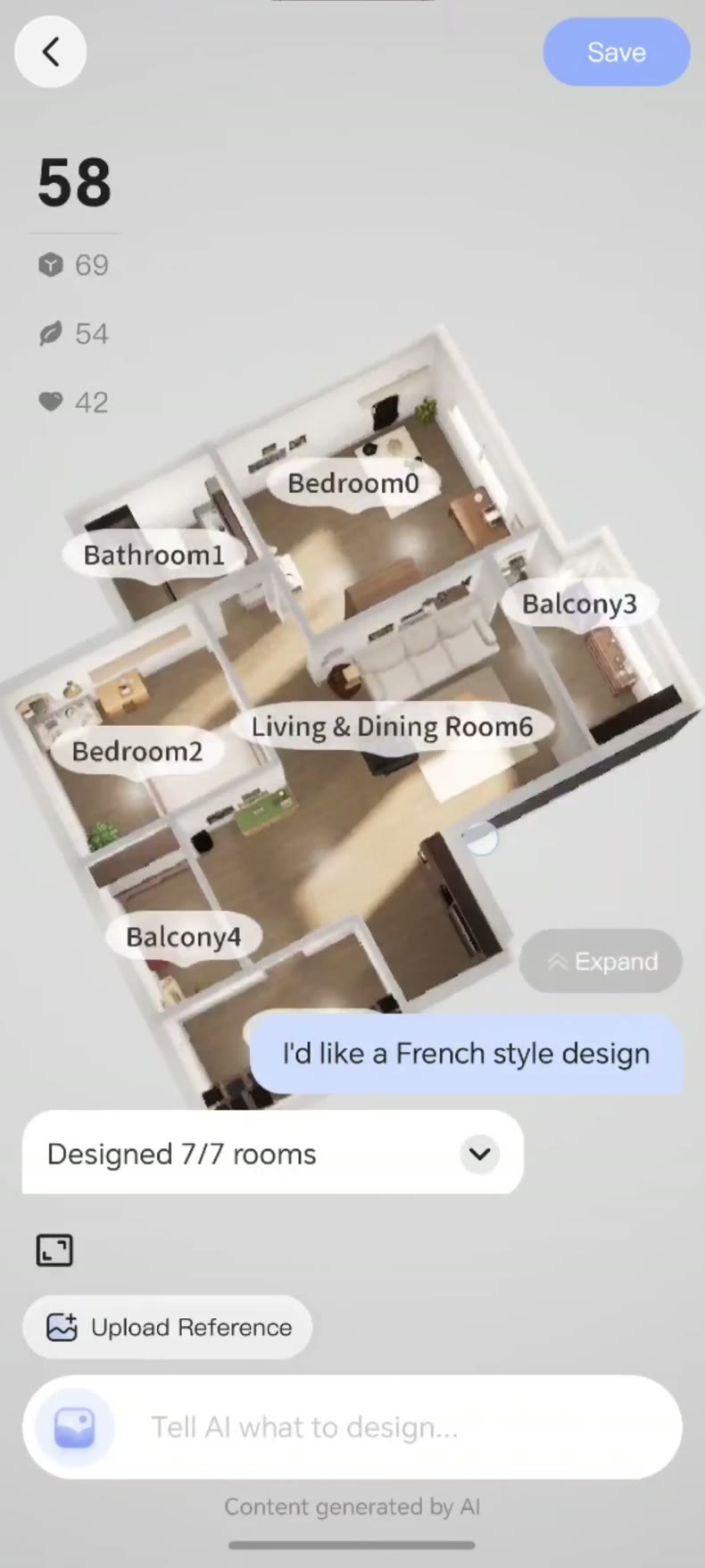
Choose the layout that keeps the routes you need open when the furniture is in use. For adjustments to a particular room, see the SenHOME guide to decorating a small room.