Quick answer
Minimalist interior design emphasizes a few pieces with a clear purpose, uncluttered surfaces and a restrained mix of colors and materials. To apply it, decide which furniture you use, group storage where you need it, and repeat one or two finishes. Check the effect from the places you see every day before removing or buying anything.
1. Keep what makes the room useful
Note how you use the space on a typical day. If you use the living room to talk, relax and read, start with the seats, a surface within reach and the lighting you use. Look at secondary pieces one at a time. If two meet the same need, see how the arrangement looks with just one in a 3D view. Keep the doors and windows in place so the comparison is useful.
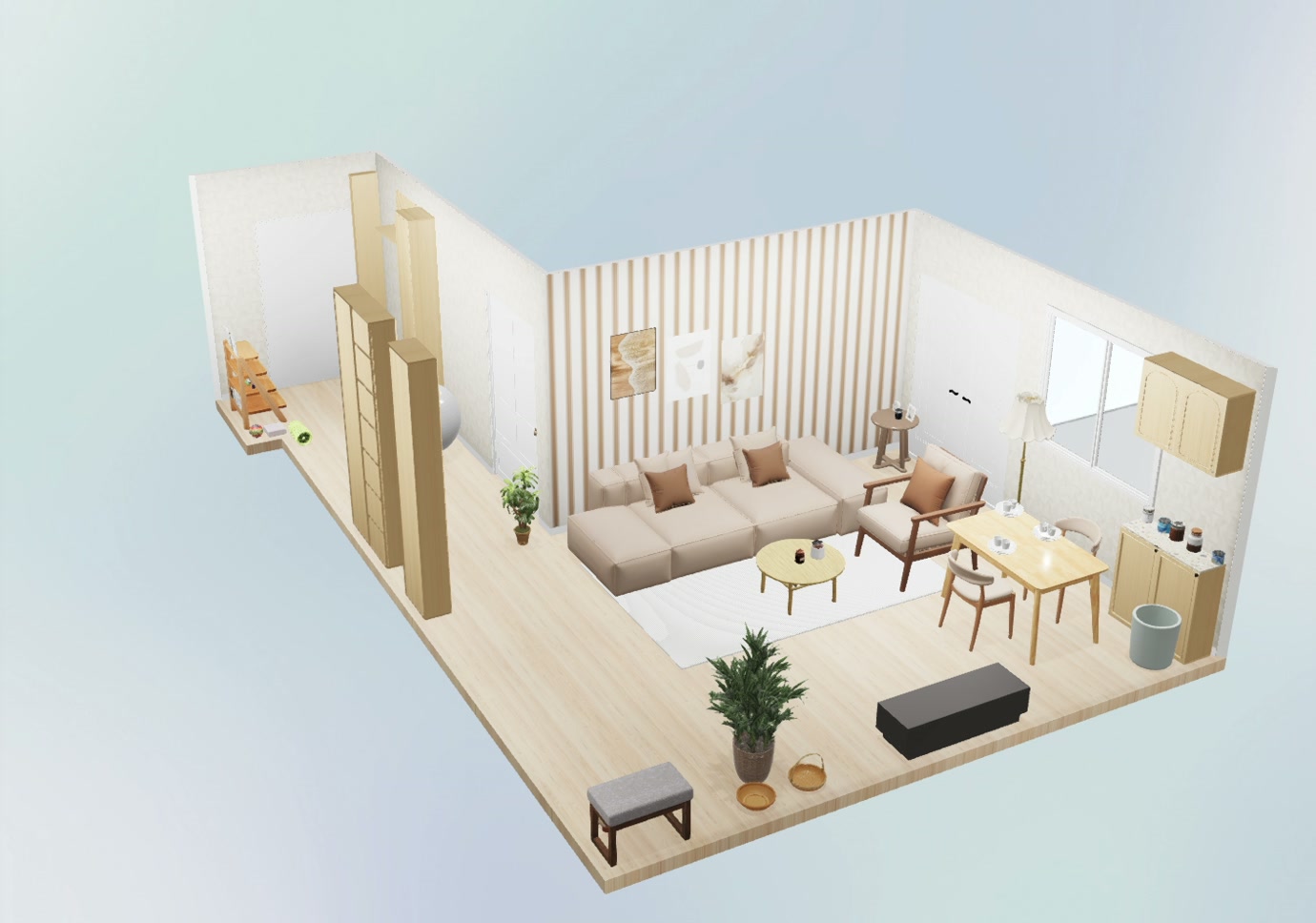
Keep a detail that matters to you. A picture or frequently used object can have its own place without competing with everything else. With SenHOME 3D living room design, you can see the seating area as a whole before judging a piece on its own.
2. Decide what to keep within reach
Group everyday objects near where you use them. Set aside a cupboard or cabinet with doors for the things you want to put away. Leave enough room to open it and to sit down or get up without moving another piece. If there is a work surface in view, start by clearing the things that tend to accumulate there. Check whether it stays tidy after you use the room.
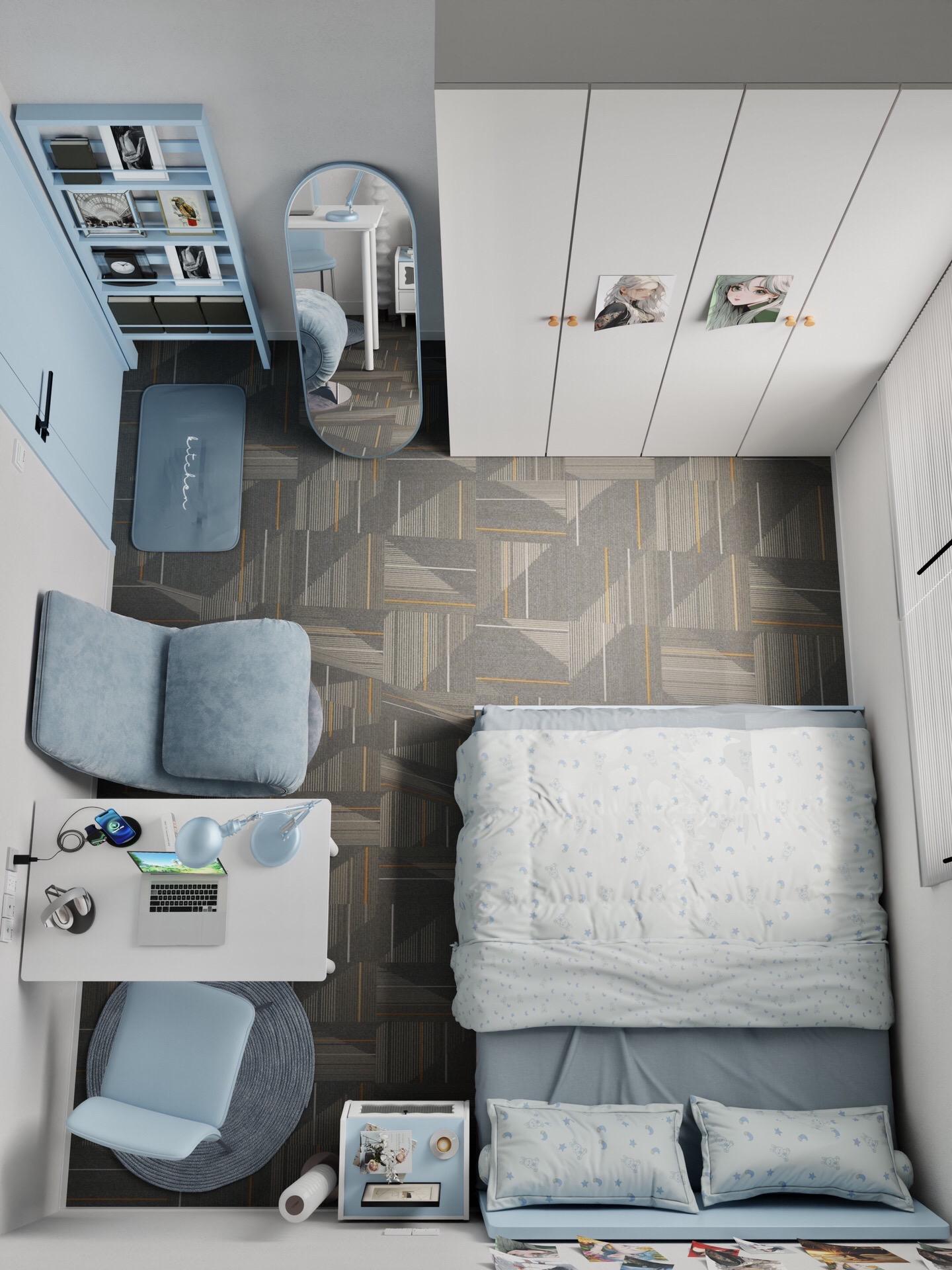
3. Repeat a finish and retain some contrast
Start with a color already on the floor, a wall or a large piece of furniture. Add a finish that repeats in two visible spots in the room. Wood grain or the difference between smooth and textured fabric helps distinguish surfaces with a limited palette. Keep the camera fixed when comparing two versions in the editor.
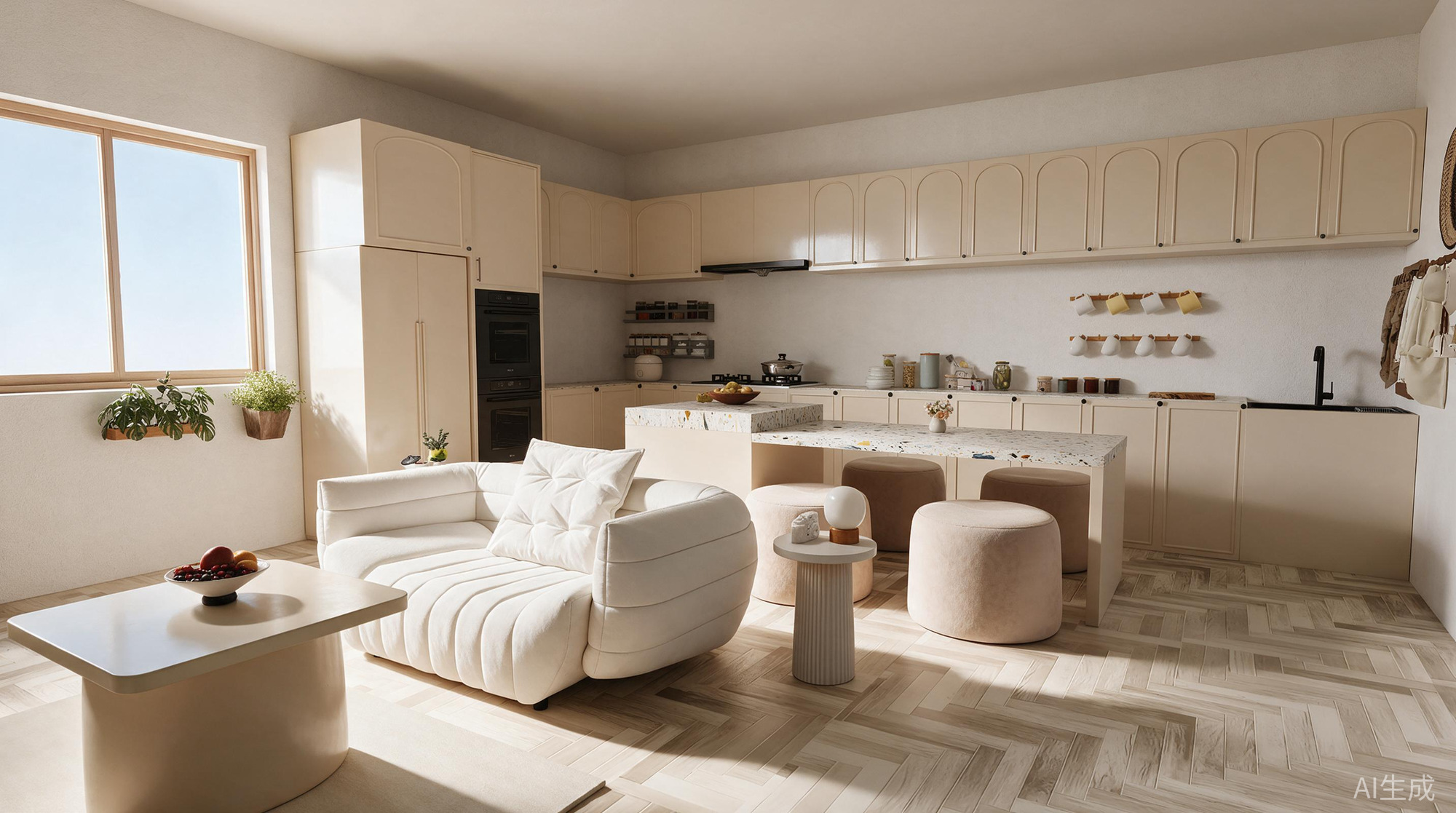
4. Do a final check from the entrance
Look at the result from the doorway and the seat you use most. Check that the path is clear, the storage is accessible and each piece serves a clear purpose. Measure the furniture and check material samples in the room itself. If you are still deciding on a style, read how to choose an interior design style that works for your room.