Quick answer
To teach yourself interior design, choose one room and a clear everyday task. Study its dimensions, light and users’ habits. Then compare furniture layouts, select a few materials and check the result on site. Write down the reason for each decision and return to the original task after testing. This cycle links observations to specific choices.
1. Start with observation and a brief
Describe what makes the room awkward to use, such as reaching books or working by the window. During a normal day, note where you sit, walk and leave things. Collect a few images that explain the feeling you want. Beside each, label a specific feature to study, such as the pairing of wood and fabric. Define an exercise outcome you can test through an action.
2. Learn scale through measuring and arranging
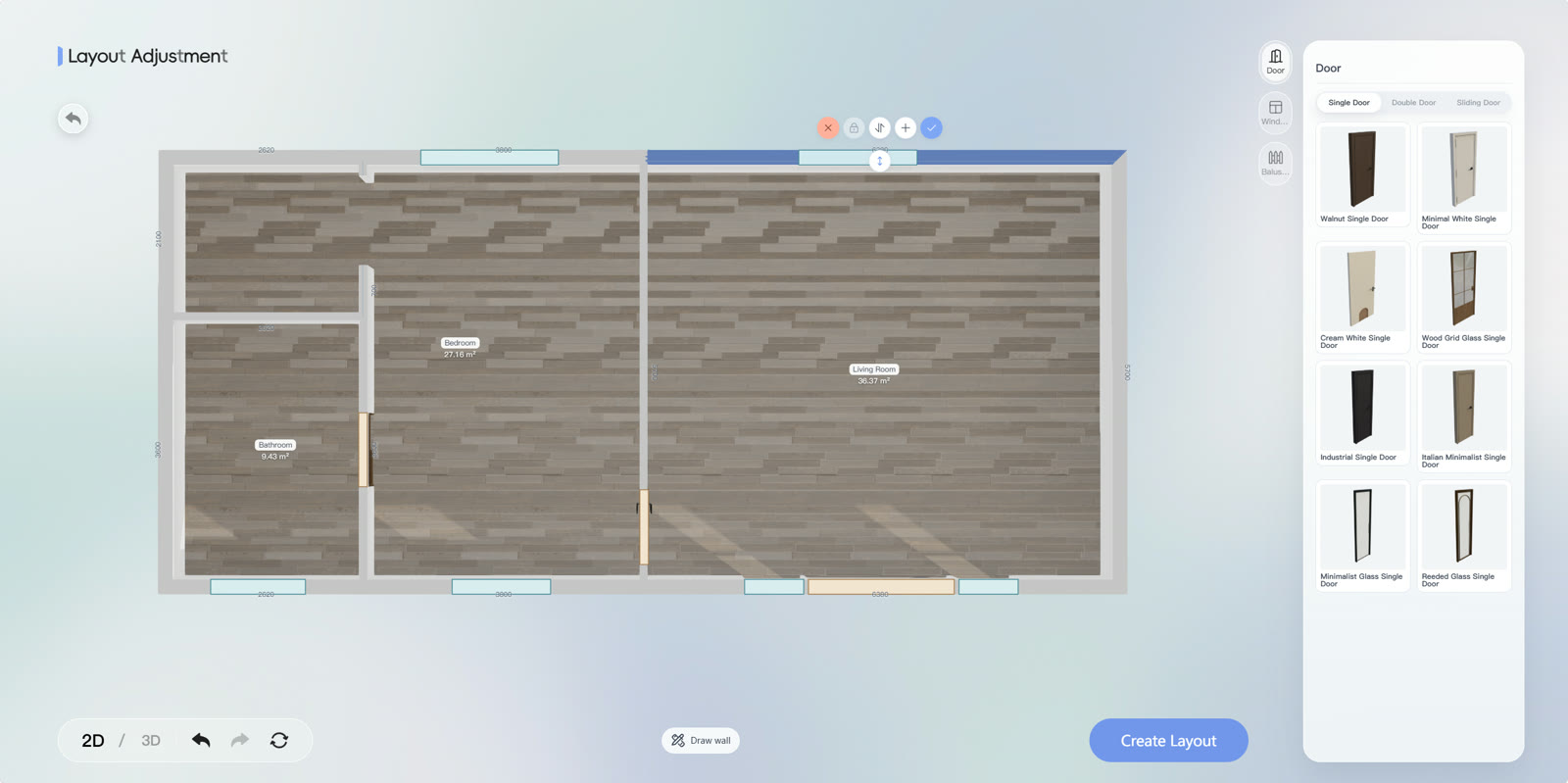
Measure walls, openings and furniture. Mark space for opening doors and using a chair on the plan. In SenHOME Web, examine the outline and furniture, checking their positions against your notes. Compare two ways to solve the original task. Keep other items as references and explain in writing why one option is more convenient. Walk the route at home and confirm uncertain dimensions.
3. Study colour and materials in a separate exercise
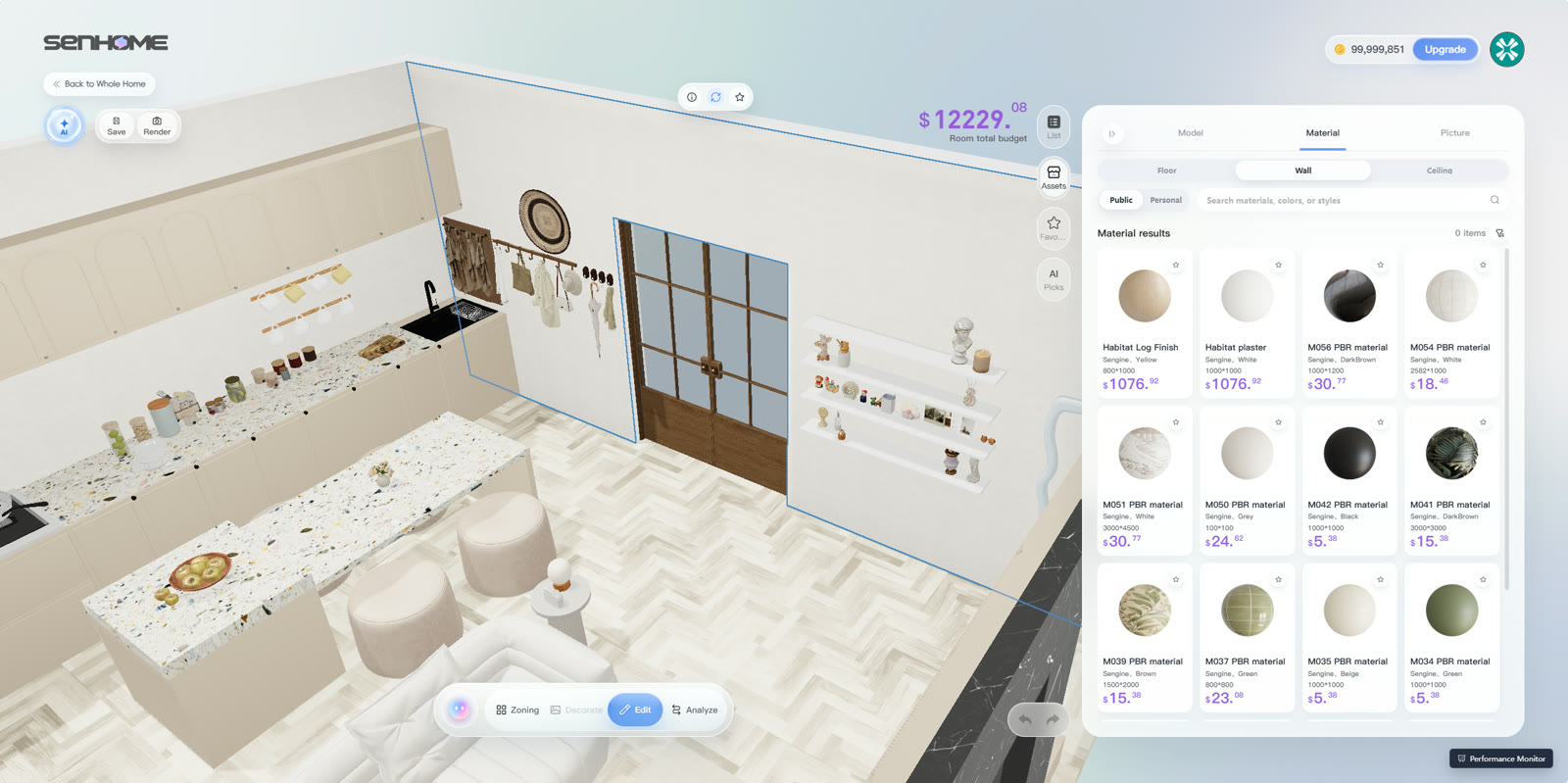
Choose one surface and decide which items it needs to work with. In the pictured editor, a wall is selected and Material and Wall are open on the right. Examine samples and compare your preferred option with the floor and textiles. Take physical samples into the room and view them by day and in the evening. Record how the impression changes and which combination to test next.
4. Keep an exercise journal and repeat the checks
For each exercise, keep the task, measurements, original option, change and test result. List questions that remain unanswered separately. After rearranging, try reaching the book or sitting at the desk again. Compare the action with your original notes. In the next exercise, change one parameter and explain the conclusion in your own words. Use the guide to choosing a style for your room when working with reference images.