Quick answer
Bohemian style interior design brings together varied patterns, tactile materials and personal objects. Start with a textile you already like, then compare another pattern beside it before adding more layers. Look at the pair from your usual seat, keep a usable place for daily belongings and test how easily you can put everything back after use.
1. Choose a pattern you want to keep
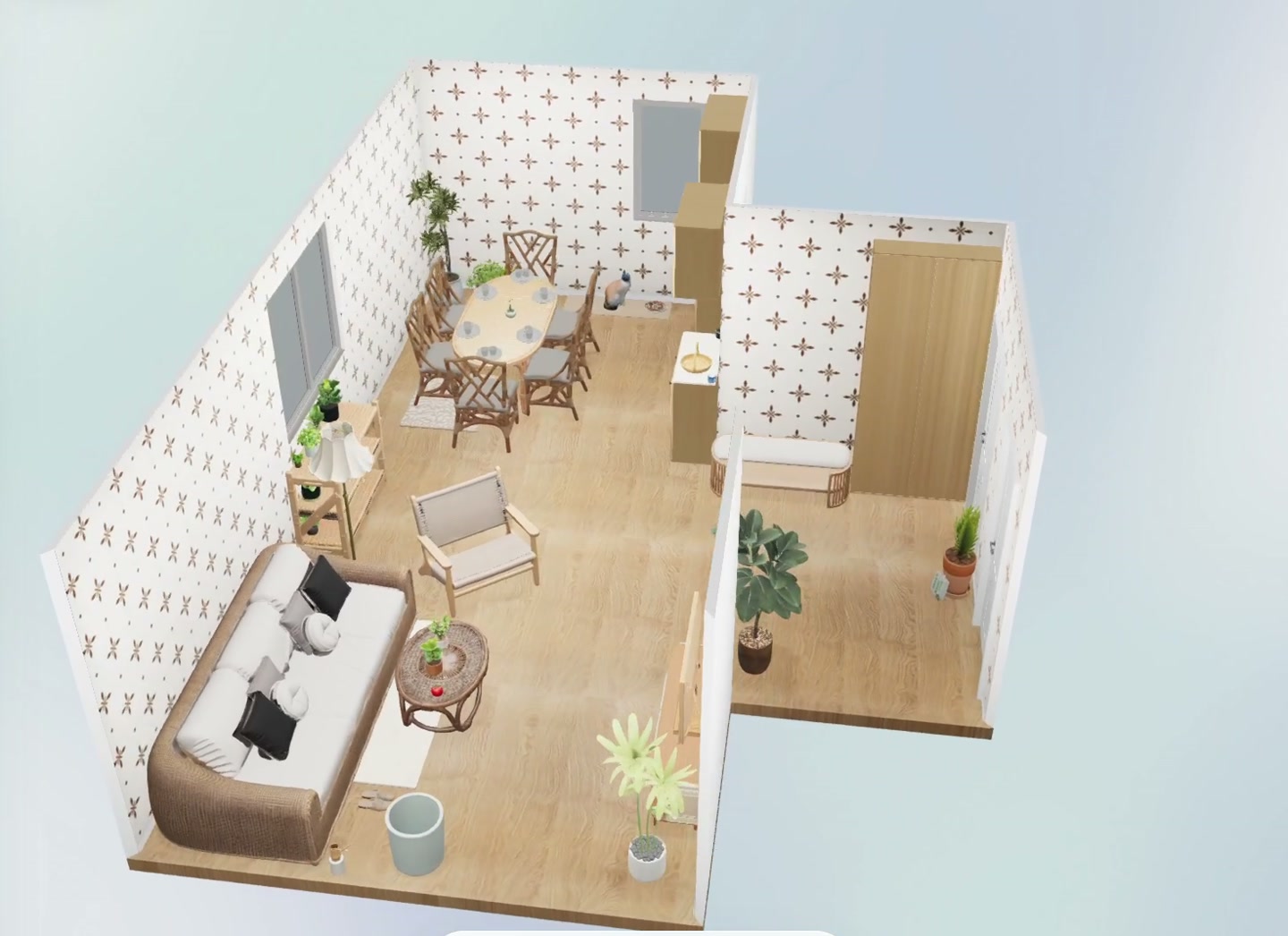
Lay out an existing cushion cover, rug or throw. Describe the size of its repeated motif and note a colour you can recognise elsewhere in the room. Keep the actual textile beside your notes. Identify which sofa, cabinet or bed will remain around it. In SenHOME Web, observe the retained furniture together before judging how much pattern the surrounding room already contains.
2. Compare patterns at their actual visible size
Place a second textile beside the first, then step back to the distance from which you normally see them. Try a larger motif beside a smaller repeated detail and record what remains readable. If both patterns compete, separate them with a plain surface or remove one and compare again. Keep the furniture and viewing position unchanged during this test so you can identify what the added textile contributes.
3. Add texture while checking what is already present
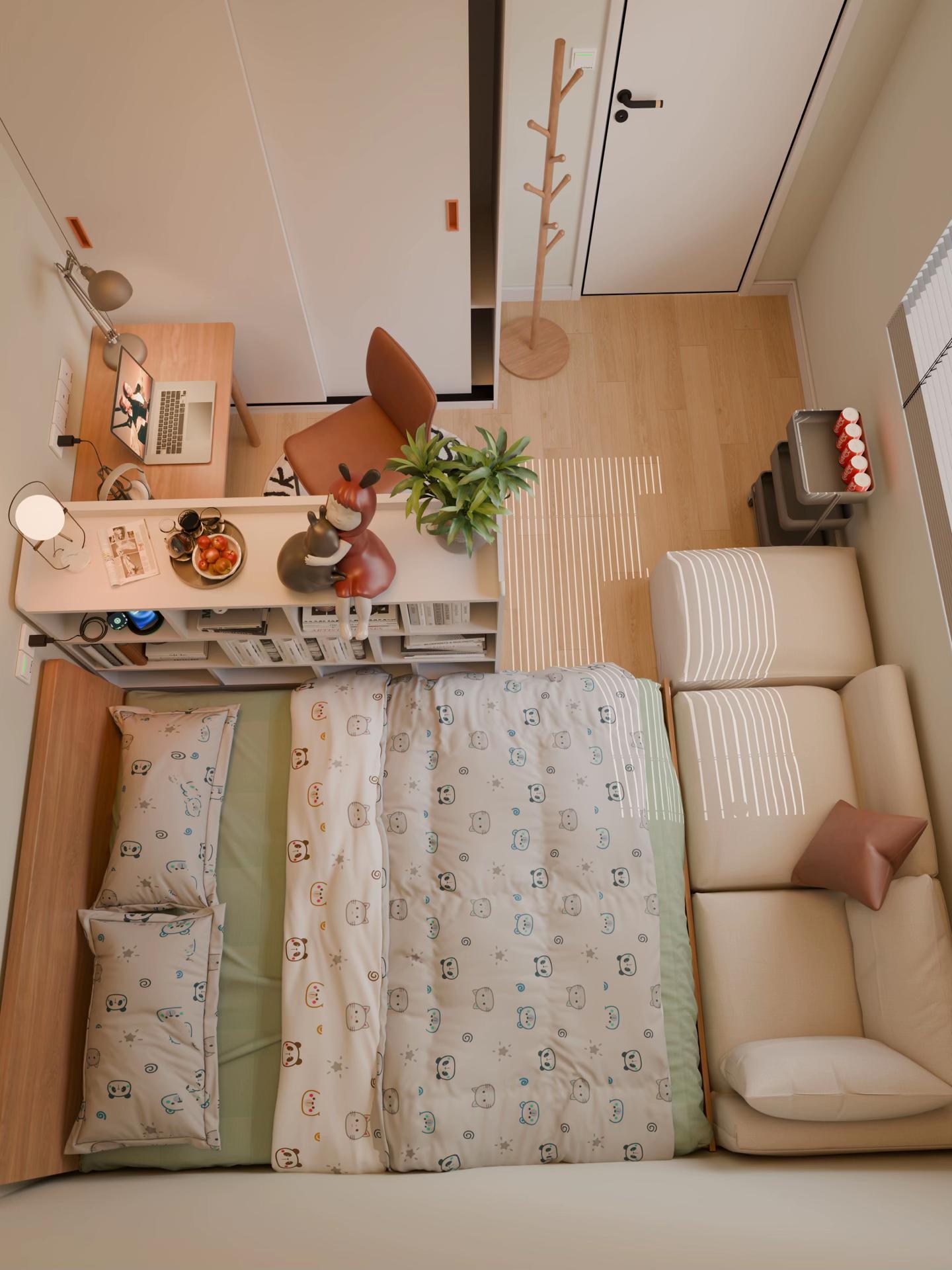
Introduce a throw, a textured cushion or a storage basket you own. Compare it with the existing printed fabrics in daylight and your usual evening light. Look for places where raised texture hides a pattern or makes the group feel too full. The other product reference includes patterned bedding and a lettered rug. These are different demonstration rooms; they provide visible combinations to inspect while you prepare your own arrangement.
4. Repeat a normal use and reset
Sit down, take the throw and reach the table or shelf you use. Return each object and check whether cushions or decorative pieces prevent you from using the space comfortably. Keep a photo of the preferred grouping and a short note about which pattern leads. The mood board guide can help you keep textile references and the pieces you intend to retain together.